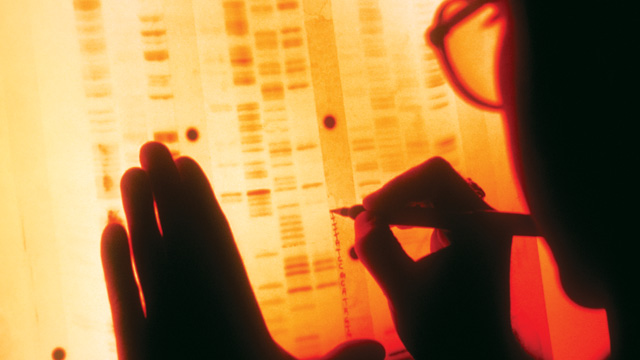
Data DelugeLarge-scale data collection and analysis have fundamentally altered the process and mind-set of biological research.Going from studying single proteins or genes, to sequencing whole genomes in one fell swoop has unleashed a flood of data, and biologists are learning to cope. . . .By Megan Scudellari | MORE TOPICSBiodiversityFunding Nanomedicine Neuroscience Synthetic Biology | ||||
 | Opinion: Thinking Outside the GenomeBy extending its reach beyond science, the field of omics will change the way we live our lives.Not so long ago, the mention of any word with the two syllables “-o-mics” tacked on the end was usually followed immediately with some response akin to, “Huh?” Today, we’ve gotten to the point where almost no biological phenomenon can escape “omics-ization,” and within the next 25 years, omics will be the biggest, if not the only, game in town. . . .By Stephen Friend | |
| . | ... | |
Interested in reading more?

Become a Member of

Receive full access to digital editions of The Scientist, as well as TS Digest, feature stories, more than 35 years of archives, and much more!
Already a member?


